


Experience Innovation 2025: Learning by Doing
In conversation with:
Joe Stryker, Principal + Southeast Region Director
Dave Williams, Partner
Bill Campie, President
Innovation doesn’t typically arrive through dramatic eureka moments. It emerges incrementally, shaped by constraints, tested through collaboration, and refined across countless conversations between people who rarely sit in the same room. Experience Innovation 2025 in Atlanta brought together architects, developers, planners, interior designers, market analysts, and public officials for exactly that purpose: to see what’s possible when the industry stops talking past each other and starts collaboratively addressing issues.
The day centered on multifamily housing challenges, with breakout teams tackling realistic site scenarios complete with actual constraints, market pressures, and financial realities. The value was in creating conditions where genuine dialogue could happen between professionals who typically operate in separate lanes.
How Multifamily Conversations Enable Creativity
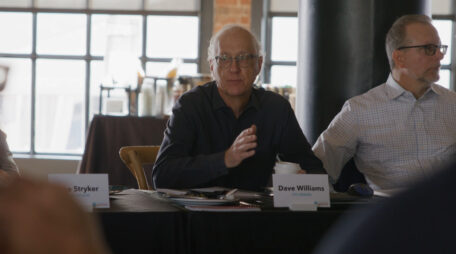
The draft challenge format marked a significant evolution from previous events.
Dave, who attended the first Experience Innovation, noticed the difference immediately: 2023’s event remained more academic, discussing systems and processes for achieving attainable housing without getting specific. This time, teams formulated the bones of real projects with actual site parameters, density targets, and financial constraints. “It was really nice to see how people tackled a real problem,” Dave noted. The shift from theoretical discussion to applied problem-solving changed everything.

The sessions surfaced persistent challenges around parking, the complex relationship between developers and public officials, and financial pressures while revealing what’s possible when professionals collaborate on actual problems, from active adult housing to university-adjacent developments.
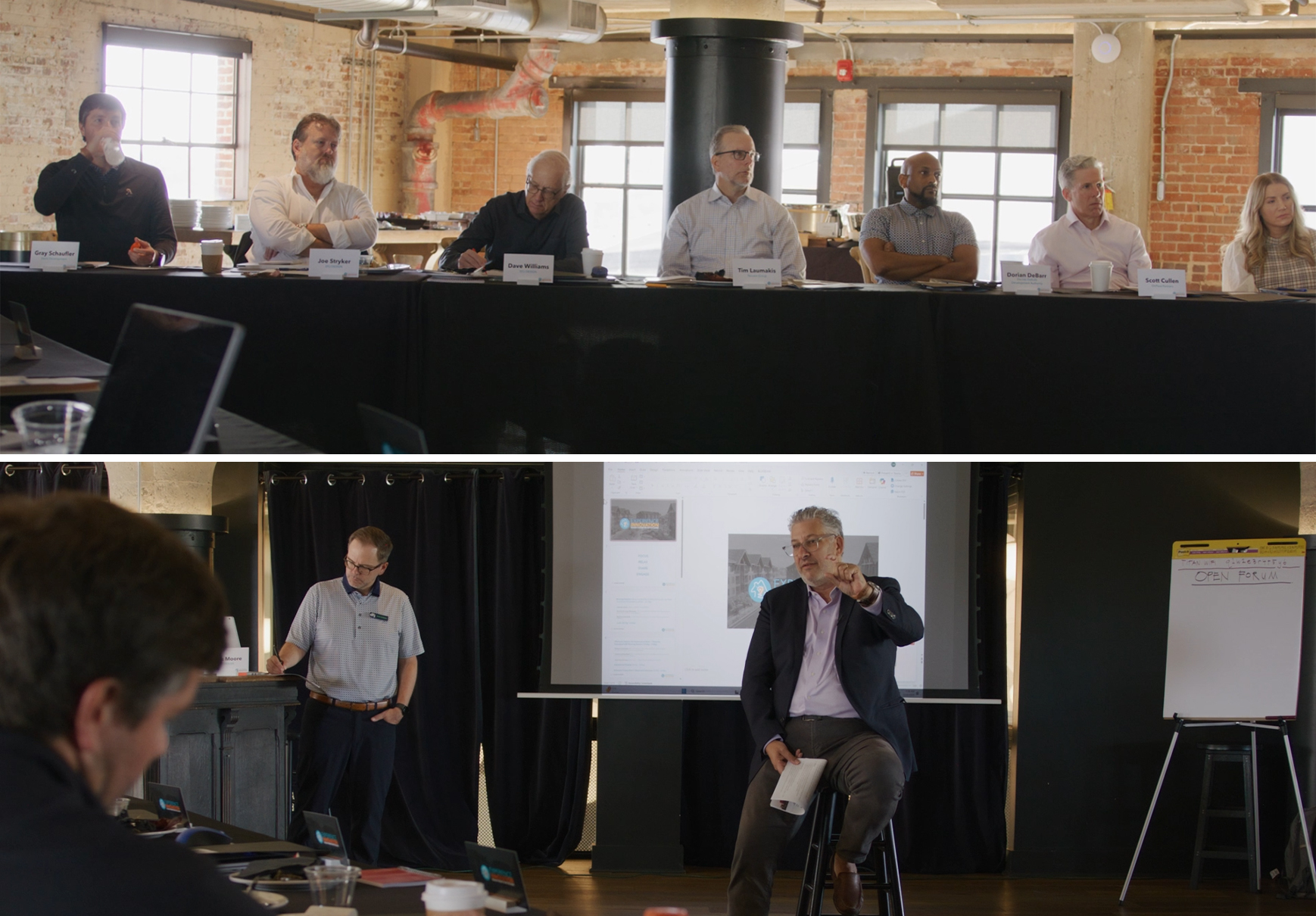
Beyond project outcomes, the real value was cross-disciplinary transparency. Bill reflected: “There was a lot of value in seeing how everybody thinks and their approach to the same problem.” Developers watched architects design. Architects observed feasibility analysis. Officials saw developer constraints. Real-time learning builds understanding across professional boundaries that typical project participants rarely experience.
The Atlanta Lens
Hosting the event in Atlanta created interesting dynamics.
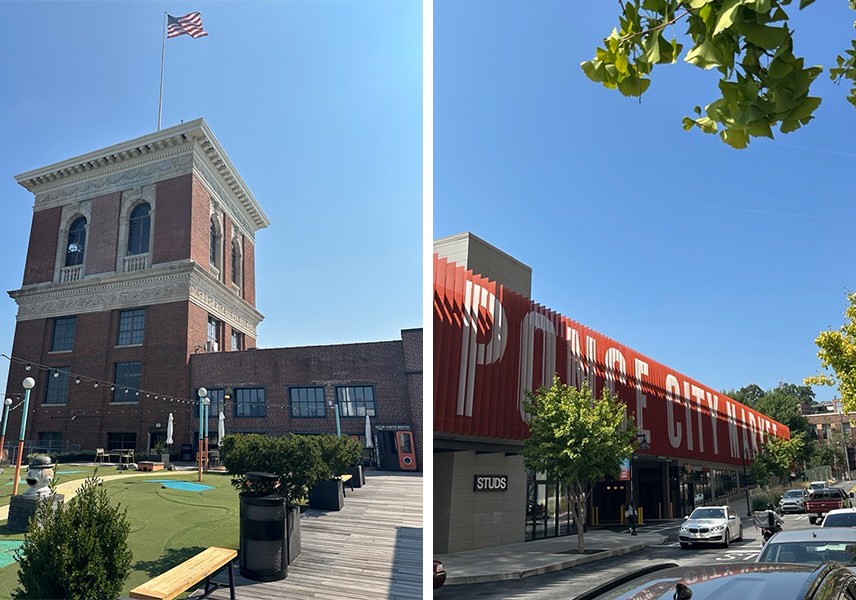
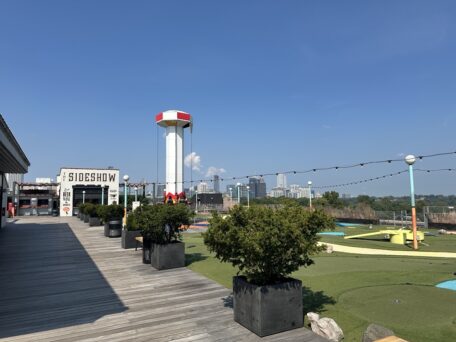
Dave took pride in showcasing the Old Fourth Ward Park and Ponce City Market—a district representing significant community investment that’s created an increasingly stabilized urban environment.
“It was a real testament to the community to have places like this in the city.”
– Dave Williams

But for Joe, who has practiced in Atlanta throughout his career, the familiar context presented challenges. “It reinforced the need to step out of comfort zones,” he mentioned. “Being rooted in a consistent environment helps, but can limit thinking outside the box.”
His breakout group addressed this by actively checking each other’s biases when Atlanta-specific assumptions emerged. The team worked to frame solutions in more universal terms applicable across different geographic and economic contexts. This tension between local expertise and broader applicability runs through every regional design practice.
Face-to-Face Conversation Still Matters
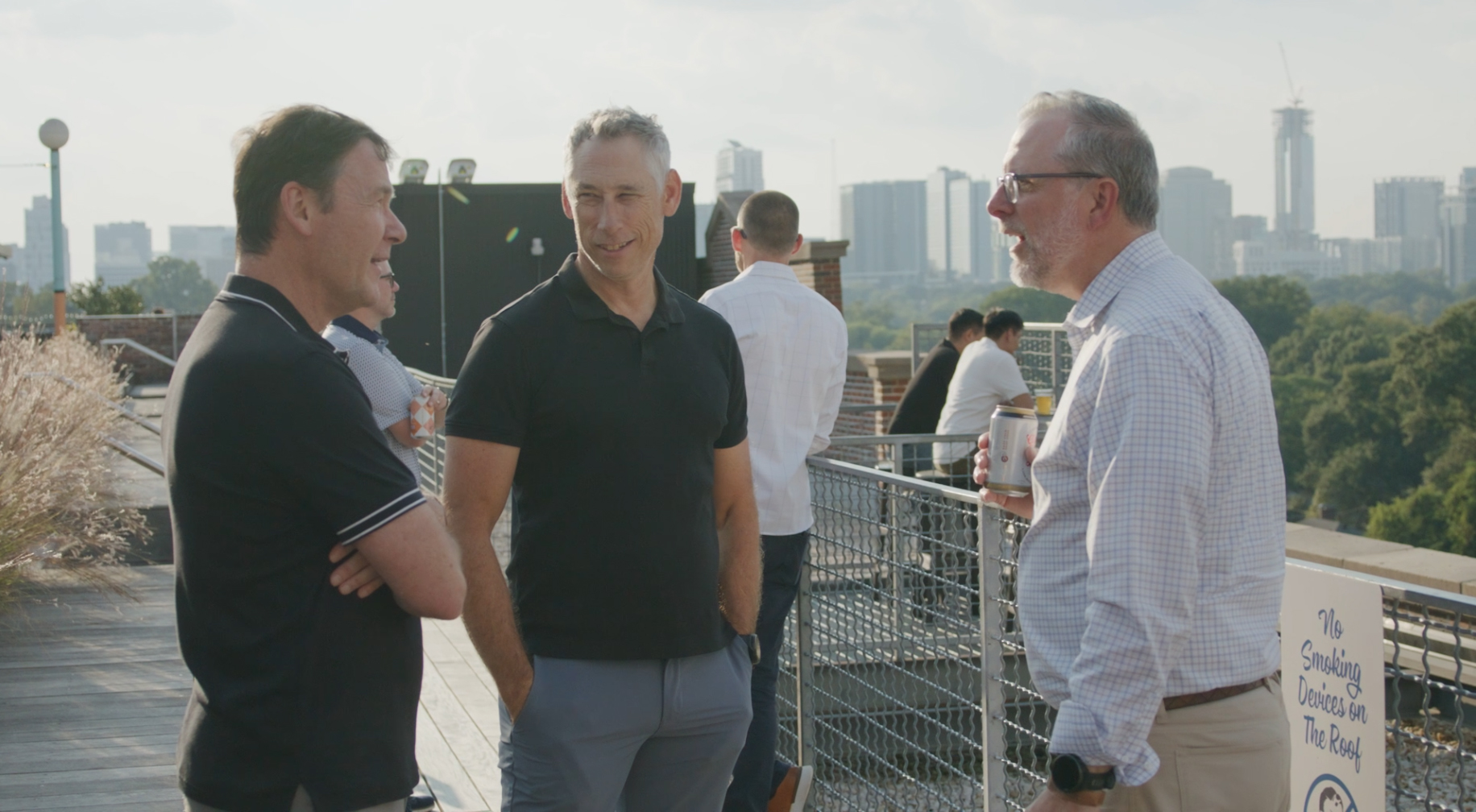
 Joe reinforced something he’s believed for years: the best communication happens face-to-face. While virtual meetings serve necessary functions, the dynamic differs fundamentally from sitting in a room together. “You can’t discount the value of surroundings.” Joe commented.
Bill echoed this sentiment, observing that participants “felt very satisfied by being involved.”
Looking out at Atlanta’s skyline in panorama helped orchestrate discussions in ways that wouldn’t happen in standard conference rooms.
“Outside of taking away one sentence or nugget, the experience was the biggest value to people.”
– Bill Campie
Thinking Long-Term
The event showcased that reinforcement carries its own kind of value, affirming proven ideas can be just as powerful as uncovering new ones. Joe’s observation about parking being a significant component of developments isn’t new information to anyone, but having it emerge organically in multiple conversations underscored its persistent significance. Dave’s emphasis on early communication with public officials reflects a challenge the industry knows exists but hasn’t effectively solved.
“Even if there’s more talk of unicorns and helicopters than how we can pencil out the next really tough site, you still got a group of people that have now met who can pull back the curtain on their process.”
– Joe Stryker
Experiencing Innovation

The ultimate measure of Experience Innovation’s success won’t come from what happened during the day itself but from what follows. As Joe framed it, “How do you carry this forward in a way that enlivens the conversations that you have with potential clients and industry partners?”
Experience Innovation creates conditions where those interactions can happen more intentionally. The format itself demonstrates what becomes possible when the industry actually talks to itself.
 BACK TO BLOG