


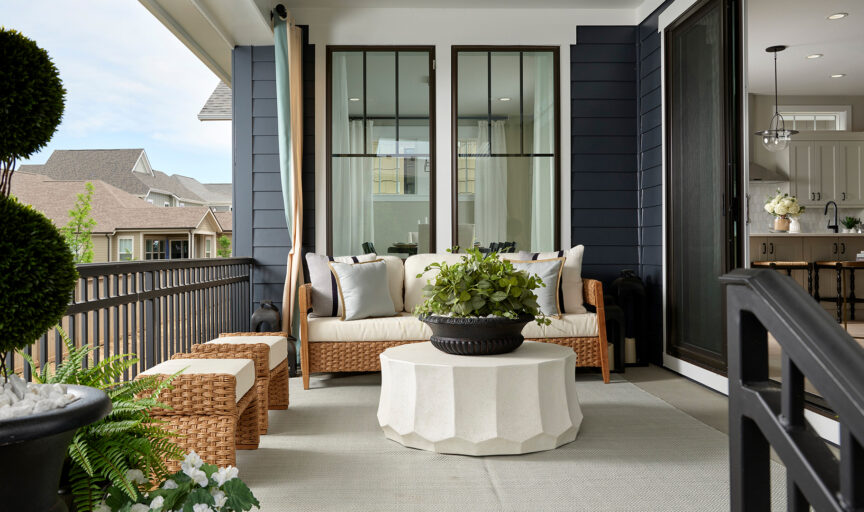
Redefining Luxury in Residential Design Through Intentional Outdoor Living
In today’s market, luxury is increasingly defined not only by price point or material finishes, but by how a home functions, feels, and supports daily life. Luxury is rooted in intentionality, how every design decision contributes to comfort, usability, and connection. Whether in custom homes or production neighborhoods, the same lens is applied: thoughtful outdoor integration, purposeful spatial relationships, and a design language that elevates even the most modest footprint.
“Luxury isn’t about adding more,” says Seth Hart, Partner. “It’s about clarity in how space is used, how it connects, and how it feels. That level of thoughtfulness is what creates lasting value.”
Designing Outdoor Living as Core Experience
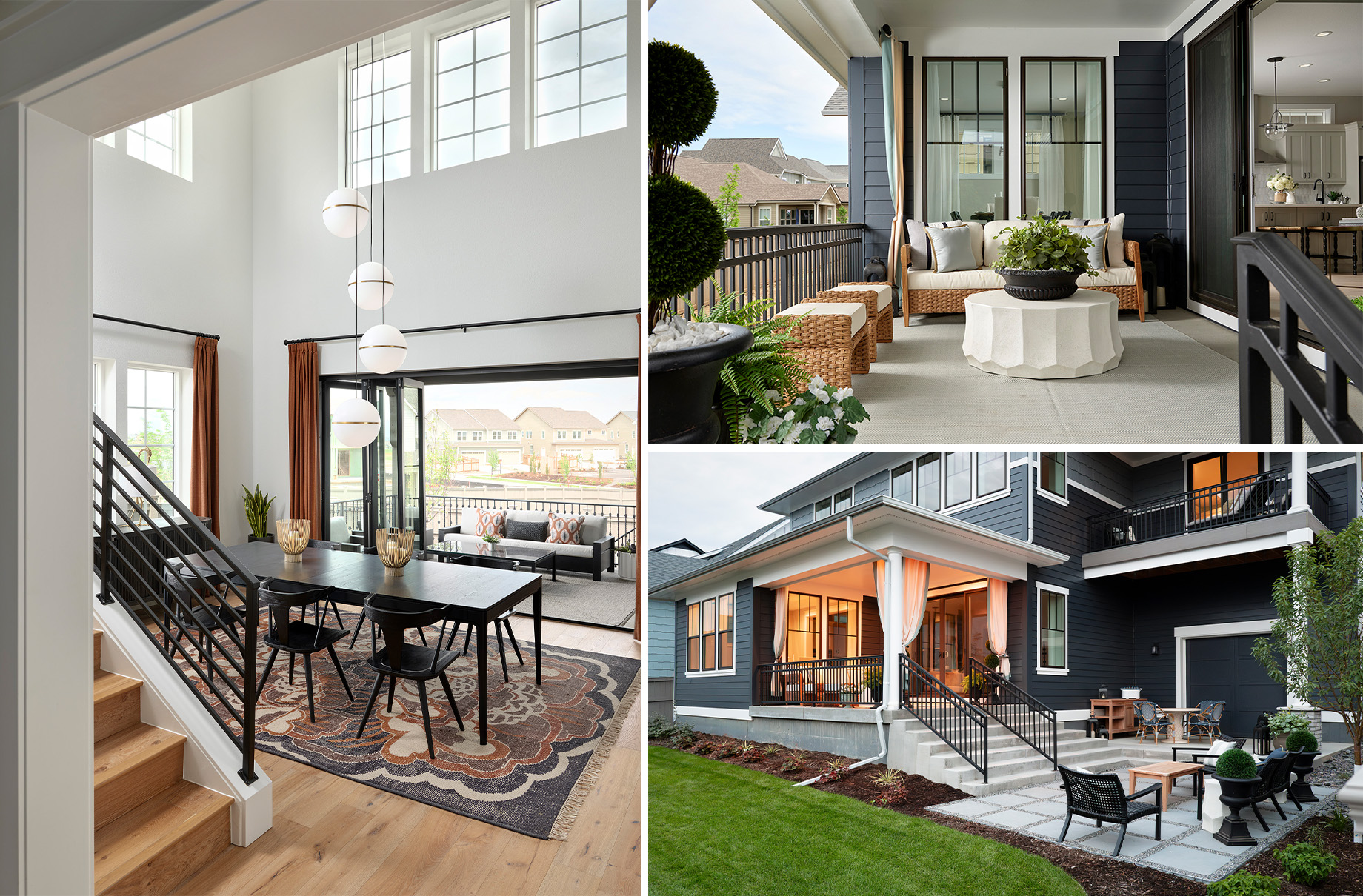
At the heart of our residential work is the belief that outdoor space should be integral to the home, not an afterthought. Floor plans are developed to create strong relationships between indoor and outdoor zones, allowing living areas to extend beyond the building envelope. This includes placing covered patios adjacent to high-use interior spaces, using large openings like sliders to support continuity, and shaping outdoor areas that function as true rooms.
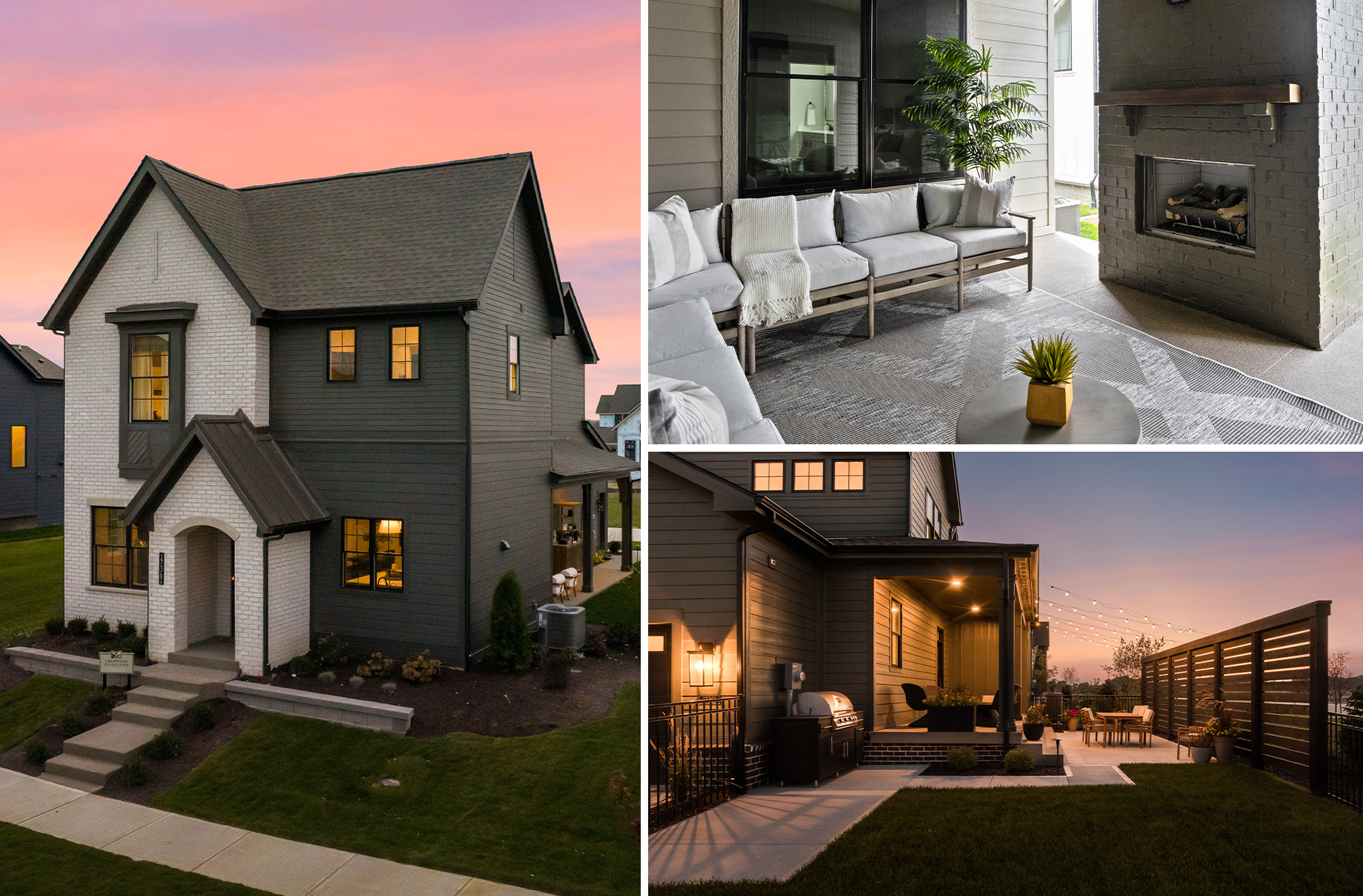
These decisions enhance how people live in their home. Mealtime can shift outdoors. Morning routines happen in the sun. Casual gatherings unfold in the backyard rather than in a formal dining room. “When you create that kind of flexibility,” Seth explains, “you give homeowners more ways to enjoy their home.”
Elevating Production Housing Through Strategic Choices
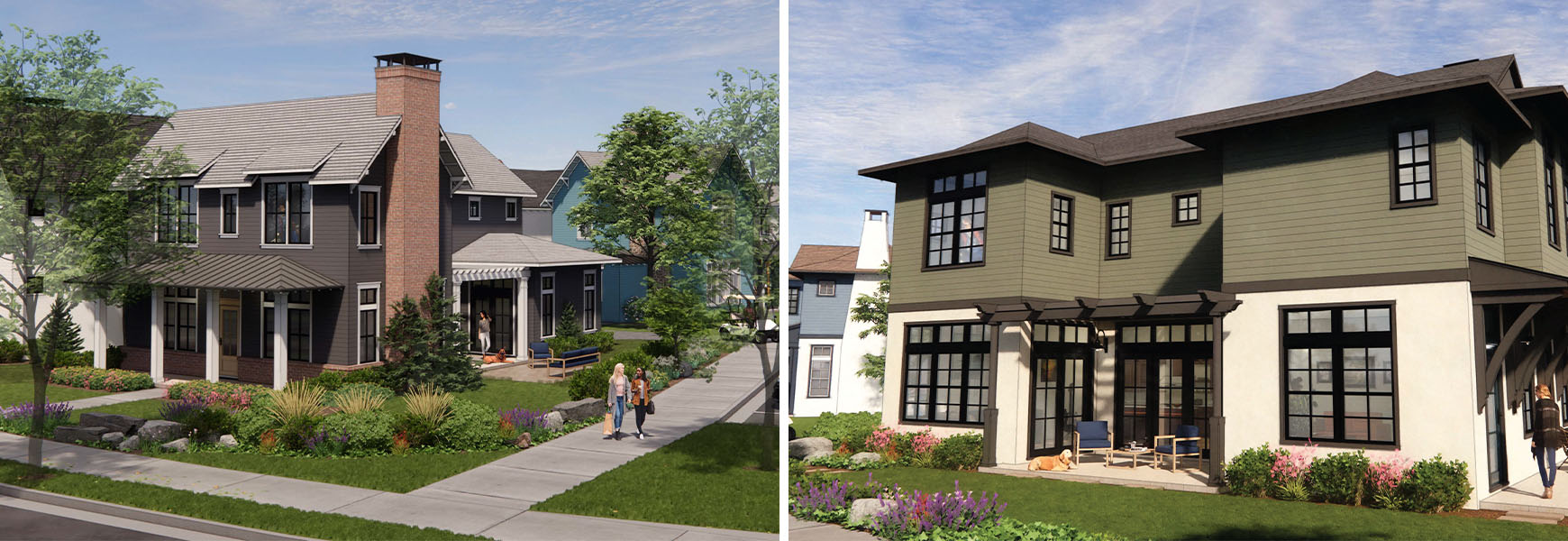
We apply the same design discipline no matter the scale. A recent example is the Westerly neighborhood in Erie, Colorado, where the firm collaborated with McStain Neighborhoods to create a collection of production homes that balance functionality and character.
Each plan includes multiple outdoor touchpoints, covered rear patios, side courtyards, or optional fire features, that shape usable outdoor rooms. Some offer unconventional moves, like connecting a tandem garage bay to the backyard for hobby or landscape access.
This level of intentionality allows production homes to deliver experiences more commonly associated with luxury custom builds without straining construction.
Planning for Variety in Use and Personality
Outdoor spaces are designed to support a range of behaviors and preferences. A generous front porch can foster community; a private side yard may offer a quiet place to recharge. Some homeowners are drawn to neighborhood activity, others to privacy. “We try to create opportunities for both,” says Seth. “And in many homes, we include both.”
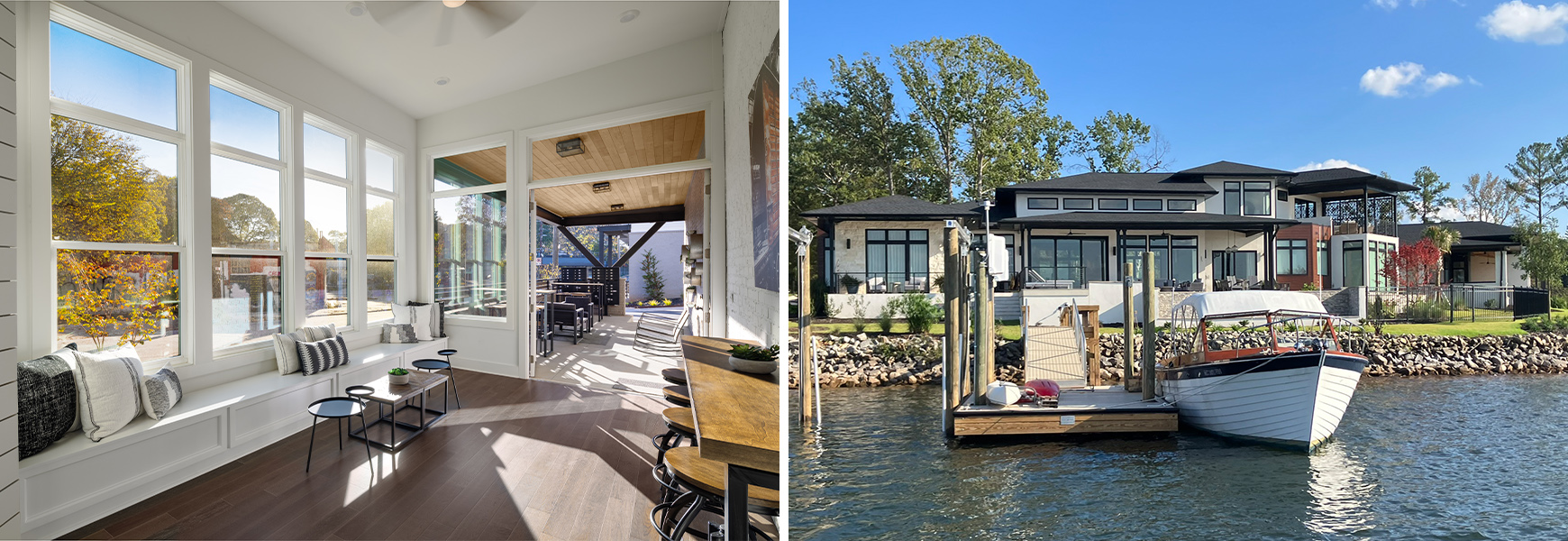
One plan in the Westerly collection includes a private outdoor space directly connected to a multi-generational suite, an example of how outdoor access is extended throughout the home, not reserved for the main living area. This kind of spatial generosity is a hallmark of our residential design approach.
Framing the Home With Landscape and Form
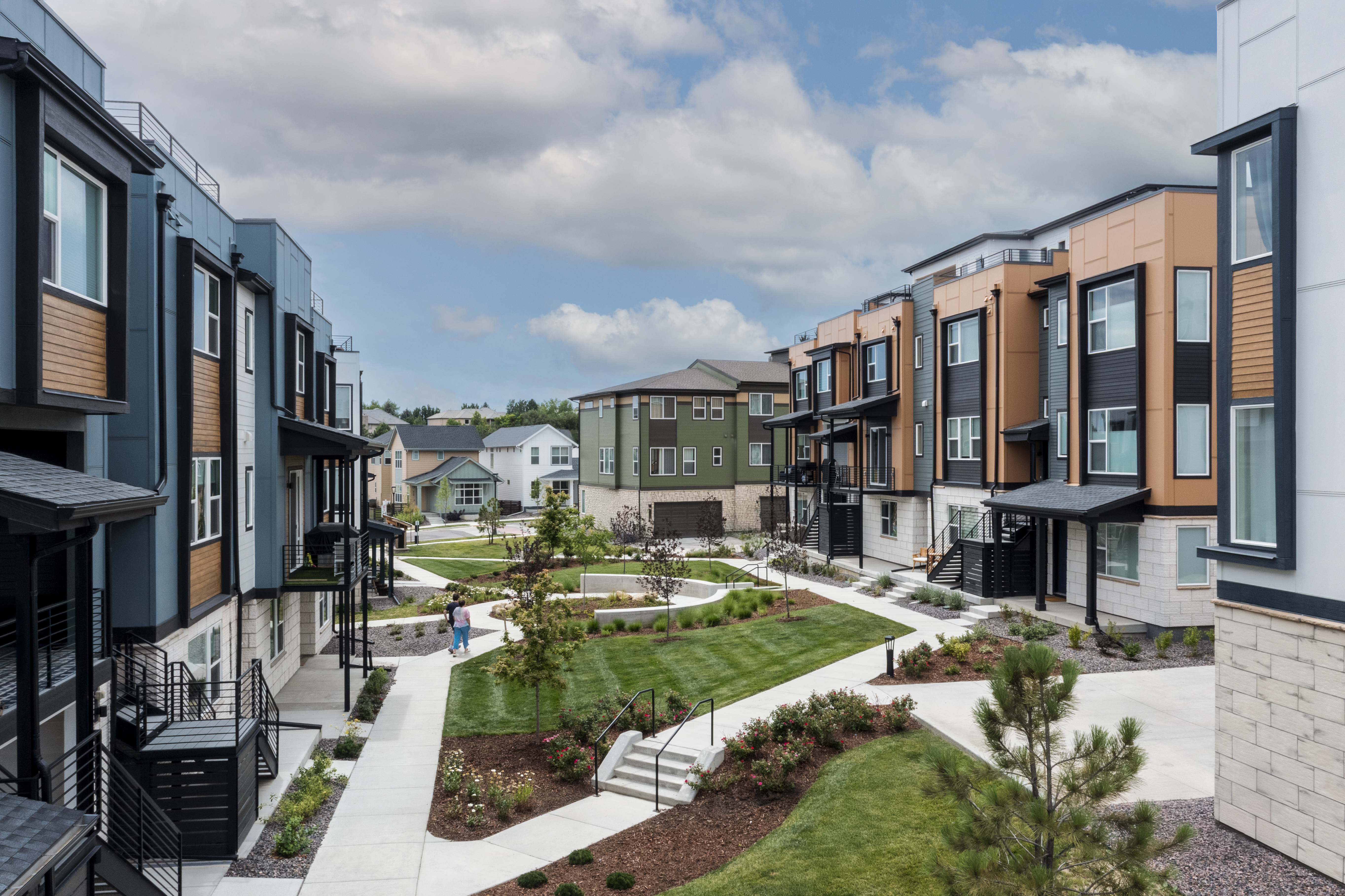
Landscape design is another foundational element that reinforces the architectural vision. A well-composed landscape complements the form of the home, guides movement, and frames entry sequences. Even where planting palettes may be limited, the right hardscape or planting structure can help a home feel more intentional and grounded.
In much of our portfolio, landscape and architecture are developed together. Porches and courtyards are shaped not only by built form but also by planting zones, hardscape patterns, and transitions. This integrated thinking ensures that the outdoor space elevates the home rather than simply surrounding it.
Curb Appeal as Emotional Design
Curb appeal is often discussed as a marketing tool, but for us, it’s also seen as emotional design. A well-proportioned porch, articulated massing, and defined walk-up create a sense of comfort and welcome. These elements influence how people feel about a home long before they walk through the door.
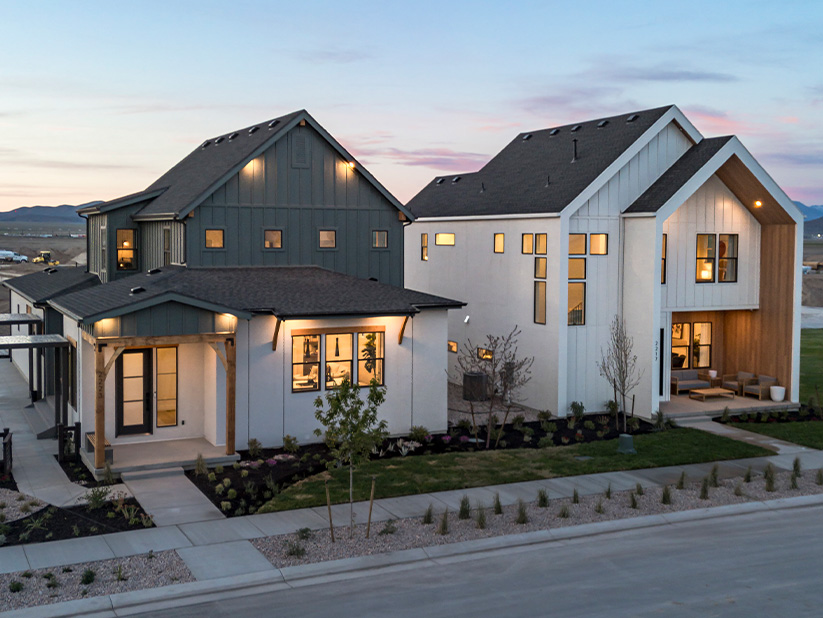
“People may not know why a home resonates with them, but they know it does,” says Seth. “That response often comes from how the home presents itself—how it meets the street, how it’s scaled, how it invites you in.”
And while homeowners can repaint walls or upgrade finishes, the architecture and outdoor framework are harder to change. That’s why we place so much value on getting those aspects right from the beginning.
Intentionality as the New Luxury
Ultimately, our philosophy isn’t about style or trend, it’s about clarity. Clear spatial relationships. Clear connections to the outdoors. Clear understanding of how people truly live. And the goal is always the same: create a place that feels personal, flexible, and lasting.
“Design is successful when people use the space fully and comfortably. When outdoor living becomes part of everyday life, not just something extra, that’s when design becomes luxury.”
– Seth Hart
 BACK TO BLOG