


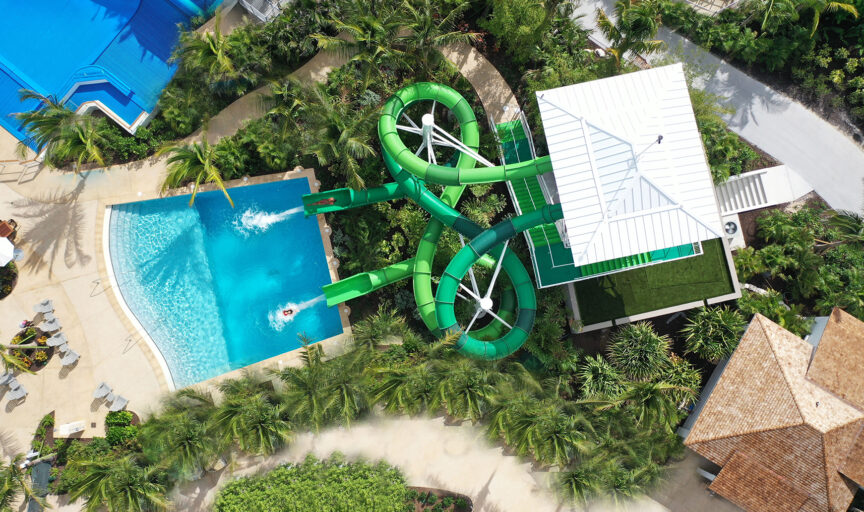
Why Context-Led Design Is Now the Baseline for Destinations
This blog post was adapted from an article on Blooloop.com
Over the past decade, we’ve watched destination design evolve faster than at any point in our industry’s history. What once relied on exportable concepts, recognizable IP, and repeatable master plans has shifted toward something far more nuanced: places that are inseparable from their cultural, environmental, and operational context.
Today’s most successful destinations don’t just entertain. They resonate, emotionally and economically, because they feel rooted in where they belong. And increasingly, the projects earning the strongest returns and the greatest longevity aren’t the ones that arrived first, but the ones that arrived with intention.
As John Torti, DTJ Partner, puts it: “We’re seeing a global expectation shift. Guests and owners alike want destinations that couldn’t exist anywhere else. Context is no longer an overlay, it’s the foundation.”
Three Forces Reshaping Destination Design
Through our work across regions and project types, three forces consistently rise to the surface. Together, they’re defining what context-led design looks like in practice
1. Culture Is No Longer a Layer, It’s a Differentiator
Across the world, destinations are being asked to tell stories that belong uniquely to their place. Governments are using tourism and entertainment as platforms to express identity, heritage, and ambition. Saudi Arabia’s Vision 2030 is a clear example: the goal isn’t to replicate existing global models, but to create experiences rooted in local narrative and national vision.
Guests feel this shift immediately. Travel today is intentional. People aren’t investing in interchangeable experiences, they want to arrive somewhere and feel, instinctively, this could only exist here.
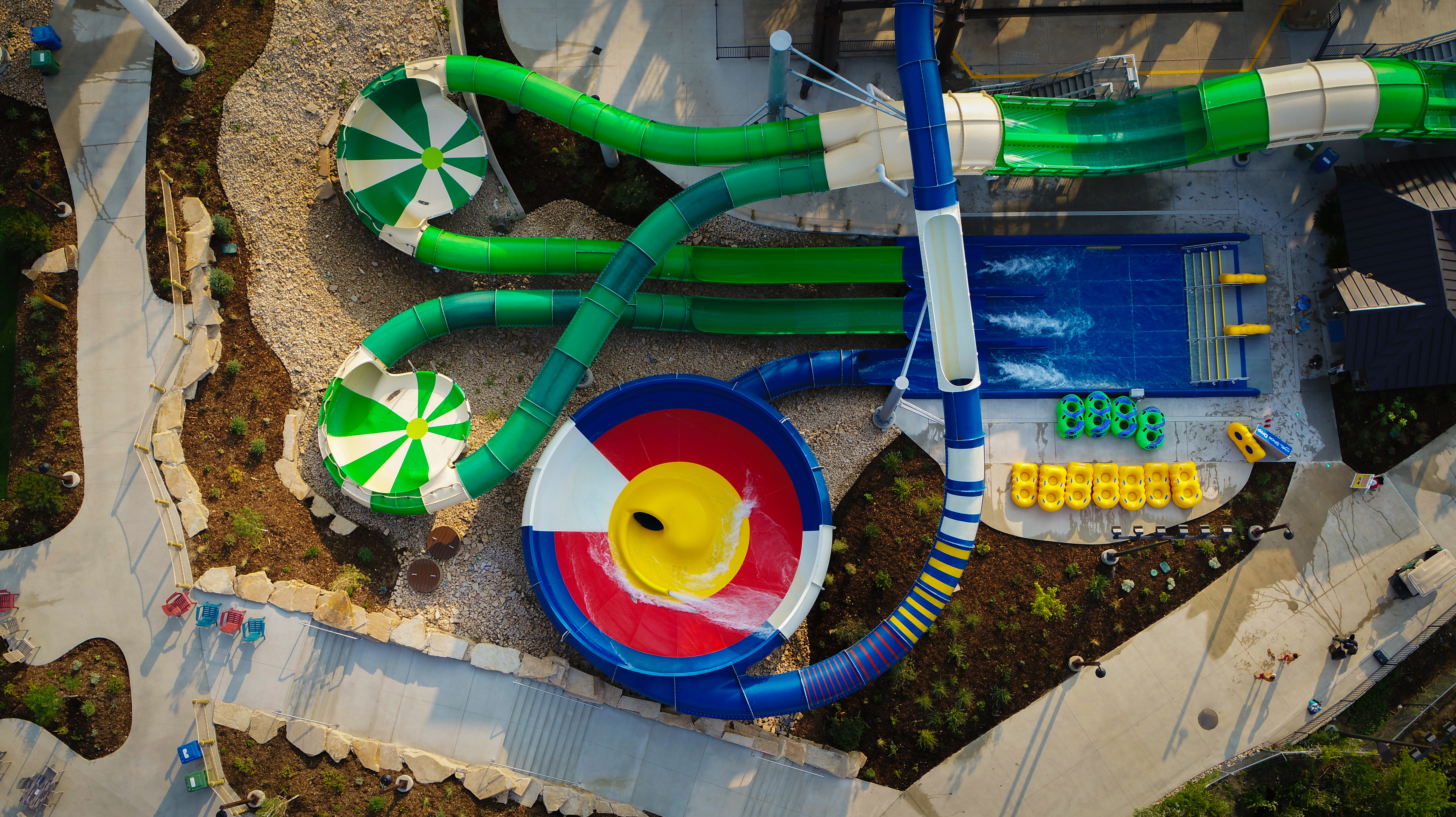
John often emphasizes that authenticity has to be structural, not cosmetic: “If cultural identity is applied after the fact, guests sense it immediately. The destinations that endure are the ones where context is embedded into the spatial logic, materiality, and program from the very beginning.”
Even within entertainment destinations, local identity can’t disappear at the gate. When projects reflect the character of their surroundings, socially, culturally, and visually, they give guests a reason to travel, return, and recommend.
2. Climate and Comfort Shape Both Experience and Economics
In regions like the Middle East, the Caribbean, and Southeast Asia, climate isn’t a constraint, it’s a primary design input. Heat, sun exposure, humidity, wind, and rainfall all influence how guests move, where they linger, and how long they stay.
Thoughtful microclimate design, shade, airflow, water, material selection, and circulation, cannot be an add-on. These elements must be integrated into the story of the place itself. A shaded walkway, a breezeway, or a planted court isn’t just about comfort; it shapes guest behavior and unlocks longer dwell times.
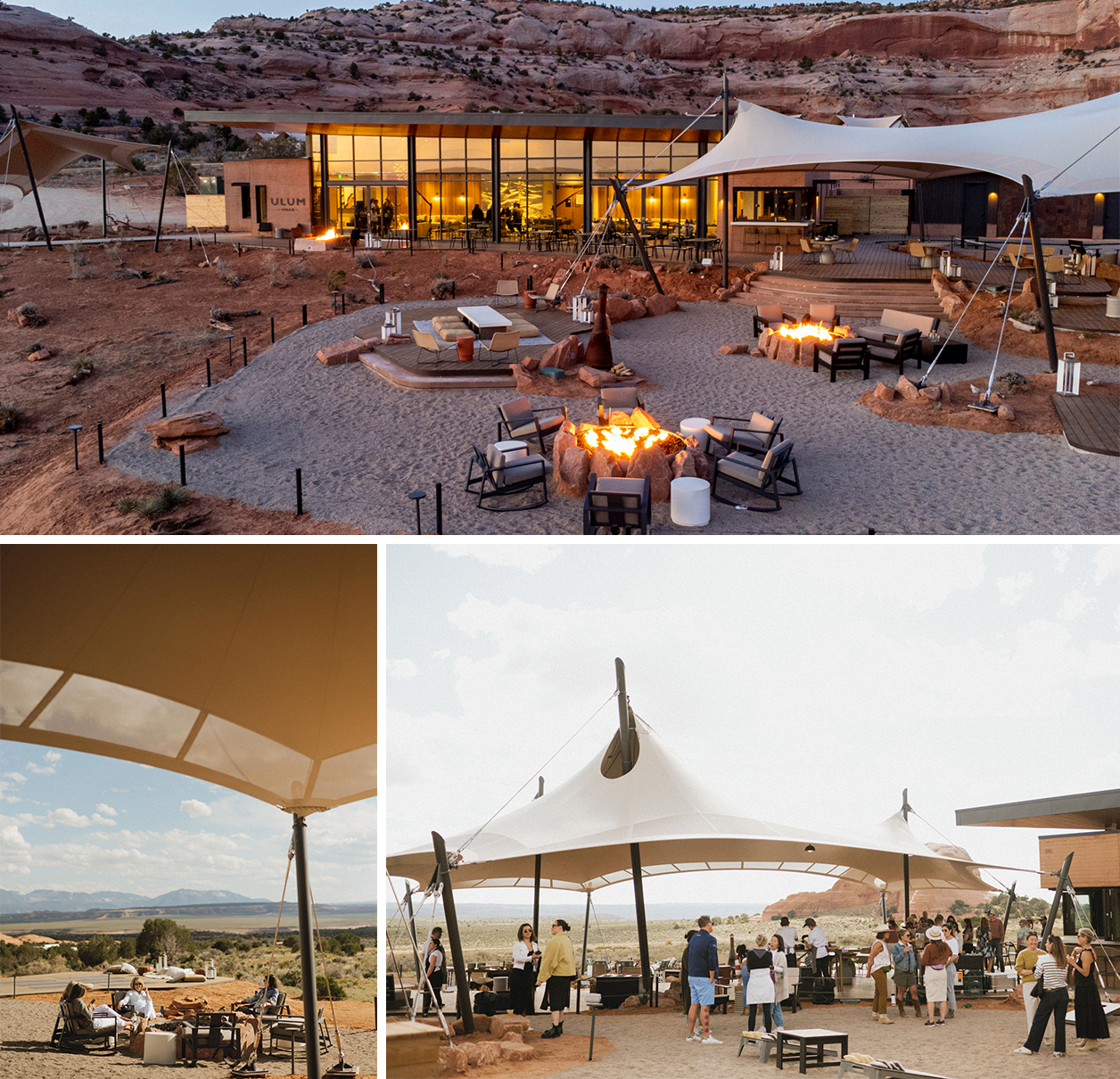
“When comfort is designed holistically,” John notes, “guests stay longer. And longer stays directly improve per-capita spend and operational efficiency.”
Designing for climate also means recognizing local rhythms. Monsoons, extreme summer heat, coastal conditions, or desert temperatures all demand fundamentally different spatial strategies. Projects that embrace these realities, not fight them, create environments that feel intuitive rather than exhausting.
3. Operations and Storytelling Are Now Intertwined
Today’s developers expect destinations to work harder. Beyond aesthetics, projects must support longer dwell times, flexible day-to-night programming, efficient staffing, and sustainable maintenance strategies. The most effective destinations don’t choose between creativity and performance, they align them.
Where attractions are placed, how food and beverage is distributed, how guests circulate, and how spaces transform throughout the day all influence both narrative flow and operational success.
As John explains: “Operational logic shouldn’t limit creativity. When it’s designed alongside the story, it actually strengthens it. The guest feels discovery, but behind the scenes, every spatial decision is doing real work.”
When operational clarity is embedded from the start, destinations flow more naturally, staff resources are used more efficiently, and environments invite exploration instead of congestion.
How Context-Led Design Shows Up in Real Projects
These principles aren’t theoretical. They’re shaping destinations around the world.
Baha Bay: Cultural Identity as Organizational Framework
At Baha Bay Waterpark at Baha Mar in the Bahamas, the design began with a simple but powerful question: What does Bahamian hospitality feel like?
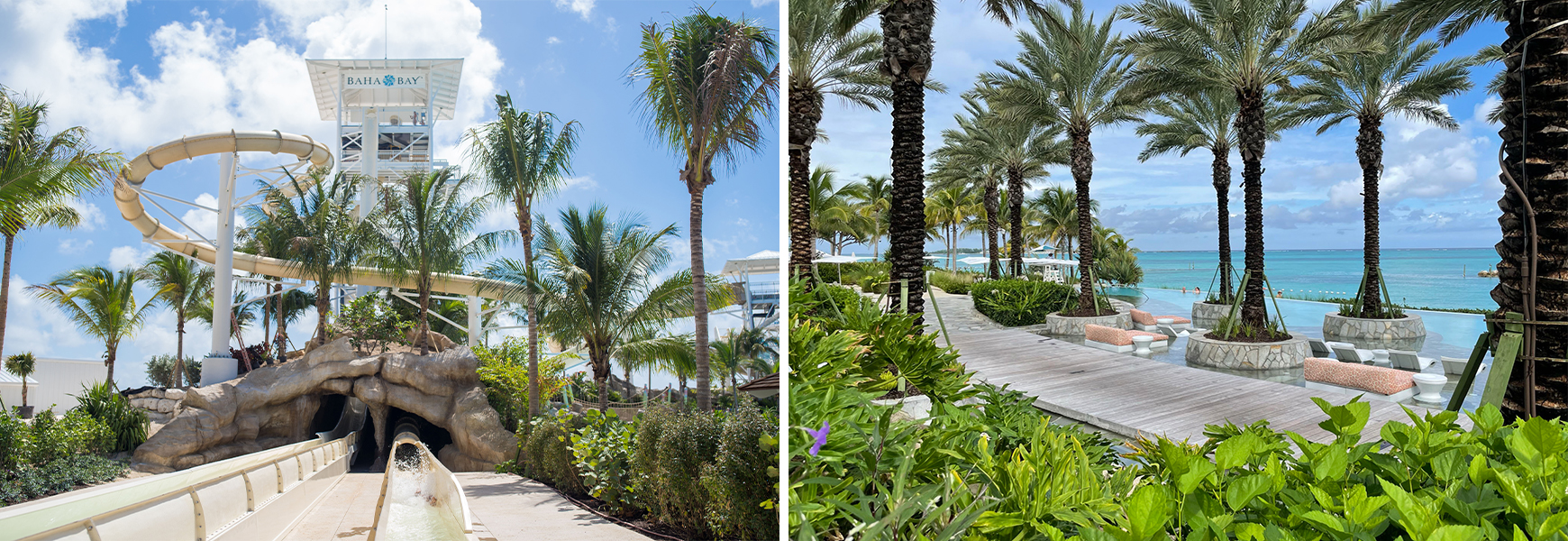
The answer guided every decision. Island Contemporary and Historic Georgian architectural language. Locally sourced quartzite extends from water’s edge into the landscape. Custom artwork by Bahamian artists celebrate the island culture.
Operationally, the layout follows natural patterns of movement. Food and beverage anchors sit where guests naturally pause, evenly distributed and efficiently connected to back-of-house networks. Shade structures, material palettes, and lush planting respond directly to Caribbean climate, creating microclimates that encourage longer, more comfortable visits throughout the day.
Daydream Forest: Letting Nature Become the Story
In Zhejiang Province, China, Daydream Forest uses a different lens, but the same context-first thinking. Set against the backdrop of rapid urbanization, the project reconnects guests with agricultural traditions, seasonal change, and the natural world.
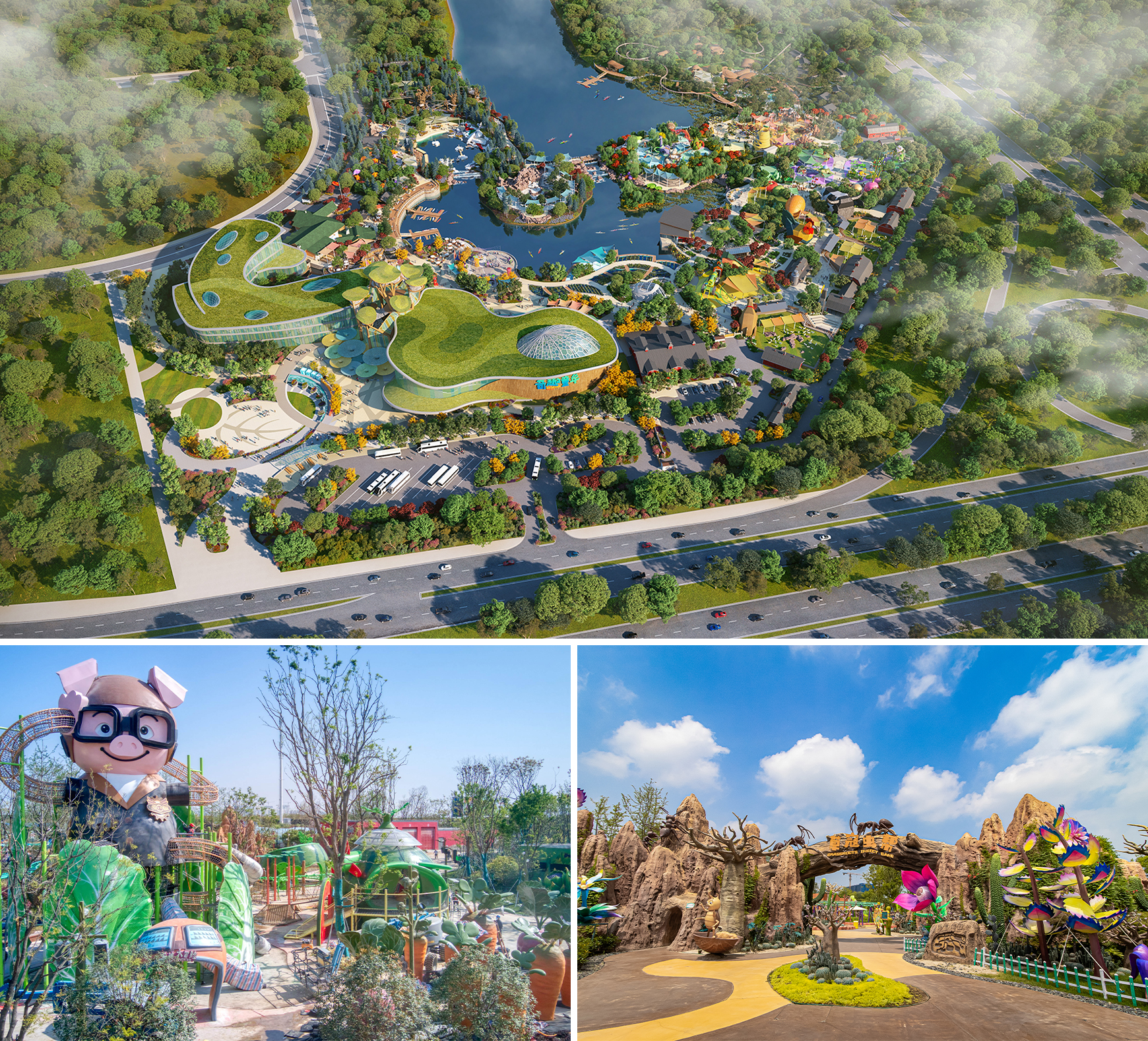
A working farm integrates directly with immersive attractions. Natural materials, earth-toned pathways, and living landscapes reinforce a sensory connection to place. Water follows visible hydrological patterns. Shade structures echo tree canopies. Wayfinding draws from agricultural symbols rather than generic graphics.
The operational benefit is significant. Guests stay longer because the experience unfolds in layers, and movement distributes naturally across the site—reducing pressure points and enhancing overall flow.
The Bottom Line
From the Middle East to Asia to the Caribbean, the regions driving the most ambitious destination development are converging around the same realization: context-led design reduces risk, builds authentic brand identity, and creates places communities support and guests return to.
The destinations earning sustained recognition and delivering the strongest returns are the ones where cultural identity, environmental intelligence, and operational thinking were included in the very first sketch.
For developers and operators planning what’s next in increasingly competitive markets, authenticity and climate intelligence aren’t optional. They’re the baseline.
 BACK TO BLOG